



































Land Rover Oil Leak: Common Causes, Warning Signs & Repairs
Land Rover Oil Leak: Common Causes, Warning Signs & Repairs
A Land Rover oil leak happens when engine oil escapes from a gasket, seal, or fitting that has worn out, cracked, or loosened over time. It’s one of the most common issues Land Rover owners run into, especially in hot climates like the UAE, where high under-bonnet temperatures speed up the breakdown of rubber seals and gaskets. A small leak isn’t usually an emergency, but it should never be ignored, because low oil levels can lead to poor lubrication, overheating, and expensive engine damage. If you’ve spotted oil spots under your car or a burning smell after driving, the safest move is to check your oil level immediately and get the leak inspected before it gets worse.
What Engine Oil Actually Does
Before we talk about leaks, it helps to understand why oil matters so much in the first place.
Engine oil isn’t just there to “grease” the engine. It performs several jobs at once:
- Lubricates moving metal parts so they don’t grind against each other
- Reduces friction, which reduces heat and wear
- Helps cool internal engine components
- Carries away dirt, metal particles, and combustion byproducts
- Forms a protective seal between the piston rings and cylinder walls
When oil escapes from the system through a leak, all of these functions are compromised. Less oil means more friction, more heat, and more wear on parts that are expensive to replace.
How the Lubrication System Works
Your Land Rover’s engine has a network of oil galleries, or channels, that carry pressurized oil to every moving part: the crankshaft, camshaft, valve train, and turbocharger (on turbocharged models). An oil pump pushes oil through this network, and gaskets and seals keep it contained within specific compartments.
These gaskets and seals are the weak point. They’re made of rubber, silicone, or composite materials that harden and shrink with age and heat exposure. Once a seal loses its flexibility, it can no longer maintain a tight seal, and oil starts to seep or drip out.
This is why oil leaks are rarely sudden. They usually develop gradually as a seal degrades, which is also why catching the early signs matters so much.
Most Common Leak Locations in a Land Rover
Land Rover engines have several points where leaks are more likely to occur. Here’s where mechanics usually check first.
Valve Cover Gasket
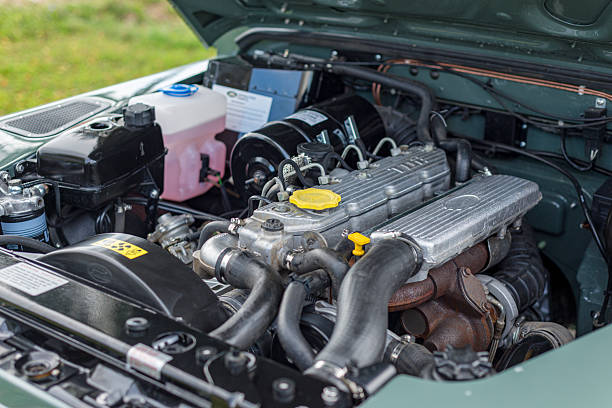
The valve cover gasket seals the cover that sits on top of the engine, protecting the valve train underneath. Because it sits high on the engine and is exposed to constant heat cycles, this gasket is one of the most frequent sources of oil seepage. A leaking valve cover gasket often shows up as oil residue on the sides of the engine block.
Oil Pan Gasket
The oil pan sits at the bottom of the engine and holds the reserve of oil that the pump draws from. Its gasket can weaken from age, road debris impact, or simply years of heat exposure. A leaking oil pan gasket usually shows up as drips or puddles directly underneath the car.
Timing Cover Seal
The timing cover protects the timing chain or belt at the front of the engine. Its gasket is a common leak point on many Land Rover engines, particularly as mileage increases. Because this area sits low and toward the front, leaks here can sometimes be mistaken for oil pan leaks, so proper diagnosis matters.
Crankshaft and Camshaft Seals
These seals sit where the crankshaft and camshaft exit the engine block. They rotate constantly under pressure, so any hardening or wear here can let oil escape directly along the shaft. Leaks from these seals often appear as oil around the front or rear of the engine, near the pulleys or transmission bell housing.
Oil Cooler Seals and Lines
Many Land Rover engines use an oil cooler to keep oil temperature under control, particularly important in hot climates. The seals and hose connections around the oil cooler can degrade or loosen, leading to leaks that are sometimes harder to spot because they’re tucked closer to the front of the engine bay.
Oil Filter Housing and Drain Plug
Less dramatic but still common: a loose oil filter housing, a worn drain plug washer, or a filter that wasn’t tightened properly during a service. These are usually the easiest leaks to fix, and worth ruling out before assuming a bigger problem.
Why These Components Fail
It helps to understand what actually causes gaskets and seals to fail rather than just where they fail.
- Heat cycling: Repeated heating and cooling causes rubber and silicone components to expand, contract, and eventually harden or crack.
- Age and mileage: Like any wear part, gaskets have a service life. High-mileage vehicles are naturally more prone to leaks.
- Hot climate exposure: In places like the UAE, sustained high temperatures accelerate seal degradation faster than in cooler climates.
- Incorrect oil viscosity: Using the wrong oil grade for your engine can affect how well seals are lubricated and can contribute to premature wear.
- Poor installation: A gasket that wasn’t seated correctly during a previous repair or service can fail earlier than expected.
- Engine vibration and stress: Over time, constant vibration can loosen fittings or stress gasket material at the edges.
None of these causes are unusual or something you did wrong as an owner. They’re part of normal engine aging, which is exactly why routine inspection matters.
Early Warning Signs of an Oil Leak
Catching a leak early is the difference between a simple gasket replacement and a major repair. Watch for these signs.
- Oil spots or puddles under the car after it’s been parked overnight
- A burning oil smell, especially after driving or shortly after parking
- Visible oil residue on the engine block, around gaskets, or on the underside of the car
- The oil level warning light appearing on the dashboard
- Oil level dropping between services faster than normal
- Smoke coming from the engine bay, which can mean oil is dripping onto a hot surface
Any one of these on its own is worth checking. Multiple signs together mean you should stop driving and get it inspected as soon as possible.
Symptoms That Should Never Be Ignored
Some signs point to a leak that has already become serious, and driving on them risks real engine damage.
- The oil pressure warning light comes on while driving. This means oil pressure has dropped low enough that lubrication is compromised right now.
- Visible smoke from the engine bay while driving.
- A strong burning smell inside the cabin, not just under the bonnet.
- The engine temperature gauge climbing higher than usual.
- Knocking or ticking noises from the engine, which can indicate parts are running without enough lubrication.
If you notice any of these, the safest thing to do is pull over safely and stop the engine rather than continuing to drive.
Minor Seepage vs a Serious Leak
Not every oil leak means the same level of urgency. It helps to know the difference.
Minor seepage usually looks like a light film of oil or dampness around a gasket, without any actual dripping. It doesn’t typically affect oil level in the short term and can often wait for your next scheduled service, though it should still be noted and monitored.
A serious leak means you can see actual drips, a puddle forming under the car, or the oil level dropping noticeably between checks. This needs attention soon, because continued driving will keep reducing your oil level.
A critical leak is when oil pressure drops, warning lights appear, or you notice smoke or a strong burning smell. This needs immediate attention, and the car shouldn’t be driven until it’s checked.
How to Inspect for a Leak Safely
You don’t need to be a mechanic to do a basic check at home.
- Park on level ground and let the engine cool completely before inspecting.
- Check the ground under the car after it’s been parked overnight, looking for fresh spots rather than old stains.
- Check the dipstick to confirm your current oil level against the recommended range.
- Look at the color and location of any residue. Fresh engine oil is usually amber to dark brown and feels slippery, which helps distinguish it from other fluids like coolant or transmission fluid.
- Visually inspect the engine bay for oil residue around the valve cover, oil pan, and front of the engine, without touching any hot components.
- Avoid running the engine with visibly low oil, since this is when internal damage happens fastest.
This kind of visual check can tell you that a leak exists, but pinpointing exactly where it’s coming from usually requires a professional inspection, since oil can travel along the underside of the engine before dripping, making the drip point different from the actual source.
The Professional Diagnostic Process
When you bring a Land Rover in for an oil leak diagnosis, a proper inspection typically follows these steps:
- Visual inspection of the engine bay and undercarriage to identify visible residue and its pattern.
- Cleaning the suspected area so any new leak can be clearly traced rather than confused with old residue.
- Using a UV dye test, where a fluorescent dye is added to the oil and the engine is run, then inspected under UV light to pinpoint the exact source.
- Checking oil pressure to rule out internal issues beyond just a surface leak.
- Inspecting related components, since a leak from one seal can sometimes be caused by pressure issues elsewhere in the system.
This process matters because gaskets and seals are often replaced only after the exact source is confirmed. Replacing the wrong part means paying for a repair that doesn’t fix the actual problem.
Risks of Driving With an Oil Leak
Continuing to drive with an active oil leak carries real risk, and the level of risk depends on how much oil you’re losing and how fast.
- Reduced lubrication increases friction and heat between moving parts.
- Low oil pressure can trigger automatic engine protection modes on newer Land Rover models, reducing power.
- Prolonged low oil levels can lead to increased engine wear over time.
- In severe cases, running an engine with critically low oil can cause parts to seize, which is one of the most expensive types of engine failure to repair.
- Oil dripping onto hot exhaust components carries a fire risk, though this is rare.
A slow, minor seep can often be driven on short-term while you arrange a service. A leak that’s dropping your oil level noticeably, or that’s triggered a warning light, should not be driven on until it’s checked.
Possible Engine Damage From Ignoring a Leak
If an oil leak is left unaddressed long enough, the consequences can escalate:
- Increased engine wear from reduced lubrication, shortening the lifespan of internal components
- Overheating, since oil also plays a role in carrying heat away from the engine
- Damage to bearings, which rely on a constant oil film to prevent metal-to-metal contact
- In extreme cases, complete engine seizure, which usually means a full engine rebuild or replacement
This is why even a small, slow leak deserves attention. The cost of fixing a gasket early is almost always lower than the cost of repairing damage caused by ignoring it.
Preventive Maintenance to Reduce Oil Leaks
While you can’t stop gaskets from aging entirely, you can reduce the risk of leaks and catch them early.
- Follow your Land Rover’s recommended oil and filter change intervals, using the correct oil viscosity for your model and climate
- Have your engine bay visually inspected during every service, not just when a leak is suspected
- Address minor seepage early rather than waiting for it to become a bigger leak
- Avoid over-tightening or under-tightening the oil filter and drain plug during DIY oil changes
- Keep an eye on your oil level between services, especially before long drives
- In hot climates, consider slightly more frequent inspections, since heat accelerates seal wear
Frequently Asked Questions
Why is my Land Rover leaking oil?
Most Land Rover oil leaks come from worn gaskets or seals, commonly the valve cover gasket, oil pan gasket, timing cover seal, or crankshaft and camshaft seals. These components harden and shrink with age and heat exposure, eventually losing their ability to seal properly.
Can I drive with a Land Rover oil leak?
It depends on severity. A minor seep with no drop in oil level and no warning lights can often be driven on short-term until you get it checked. A leak that’s dropping your oil level, triggering a warning light, or accompanied by smoke or a burning smell means you should stop driving and have it inspected before continuing.
How do I know where my oil leak is coming from?
A visual inspection can narrow down the general area, but oil often travels along the engine before dripping, so the exact source usually needs a UV dye test or professional inspection to confirm.
What causes oil leaks in a Land Rover?
The main causes are aging gaskets and seals, heat cycling, high mileage, hot climate exposure, incorrect oil viscosity, and occasionally improper installation from a previous repair.
Is a Land Rover oil leak expensive to fix?
Repair cost depends entirely on which component is leaking and how accessible it is, since some seals require more labor to reach than others. An accurate cost can only be given after the exact source has been diagnosed.
How often should I check my Land Rover for oil leaks?
Checking your oil level monthly, and glancing under the car after it’s been parked overnight, is a good habit. A full inspection at every scheduled service is the most reliable way to catch a developing leak early.
Final Summary
A Land Rover oil leak is almost always the result of an aging gasket or seal losing its ability to contain pressurized oil, and it’s a common issue as these vehicles accumulate mileage, especially in hot climates. The key things to remember are: check your oil level regularly, take warning signs like spots under the car or a burning smell seriously, and don’t ignore a leak just because the car still runs fine. Minor seepage can often wait for a scheduled service, but any drop in oil level, warning light, or visible drip deserves prompt attention.
If you’re unsure where the oil is leaking from, the experienced technicians at Station One Autos can carry out a detailed inspection to identify the exact source before recommending any repairs.