


































Land Rover Engine Overheating: Causes, Symptoms & Solutions
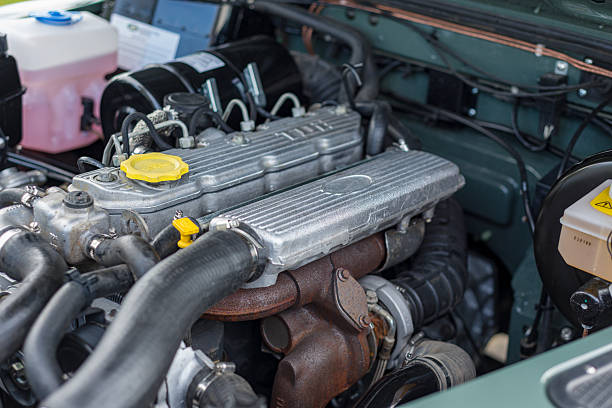
A Land Rover engine overheats when the cooling system cannot remove heat fast enough, usually due to low coolant, a coolant leak, a failed thermostat, a faulty cooling fan, or a clogged radiator. In Dubai’s climate, extreme heat and heavy traffic make this worse. If your temperature gauge rises or a warning light appears, it is not safe to keep driving. Pull over safely, turn off the engine once it’s safe to do so, and let it cool before checking coolant levels. Continuing to drive an overheating Land Rover risks warped cylinder heads, blown gaskets, and expensive engine damage. A professional inspection is the safest next step.
Why Land Rover Engines Overheat in Dubai
Dubai’s driving conditions put unusual strain on a Land Rover’s cooling system, more than the vehicle typically faces in cooler climates. Several local factors combine to push cooling systems past their limits:
Extreme summer temperatures above 45°C mean the radiator has far less “cool air” to work with. A cooling system designed to shed heat into ambient air struggles when that air is already near body temperature.
Stop-and-go city traffic, especially around areas like Al Quoz and Sheikh Zayed Road during peak hours, keeps the engine running at low speed with little airflow through the radiator, which reduces natural cooling.
Long highway drives at high speed for extended periods generate continuous engine heat, and if coolant levels or fan performance are already marginal, the system has no buffer left.
Desert dust and fine sand settle into the radiator fins and condenser, blocking airflow over time. A radiator that looks fine from a distance can be significantly restricted underneath the dust layer.
Heavy air conditioning use, which is constant in the UAE, adds extra load to the engine and condenser, indirectly increasing the heat the cooling system has to manage.
Together, these conditions mean a Land Rover cooling system that would perform normally in the UK or Europe can be pushed to its limit in UAE conditions, especially if maintenance has been delayed.
How the Land Rover Cooling System Works
Think of the cooling system as the engine’s climate control. Its job is to keep engine temperature within a safe range no matter how hard the engine is working.
The radiator acts like a heat exchanger. Hot coolant flows through thin channels while outside air passes over fins, pulling heat away before the coolant returns to the engine.
Coolant is a mixture of water and antifreeze that carries heat away from the engine block and cylinder head. It also protects internal components from corrosion.
The water pump is the heart of the system. It circulates coolant continuously between the engine and the radiator so heat keeps moving out.
The thermostat is a valve that opens once the engine reaches its ideal operating temperature. Before that, it stays closed so the engine warms up faster and stays efficient.
Cooling fans pull air through the radiator when the vehicle is moving slowly or stopped, which is exactly when Dubai traffic creates the most heat with the least natural airflow.
The expansion tank (or coolant reservoir) holds extra coolant and allows it to expand safely as it heats up, without pressure building to dangerous levels.
The temperature sensor constantly reports engine temperature to the vehicle’s computer, which is what triggers your dashboard gauge or warning light.
When every part works together, heat generated by combustion is carried away as fast as it’s created. When even one part underperforms, heat builds up faster than it can escape.
10 Common Causes of Land Rover Engine Overheating
1. Low Coolant Level
What it is: Not enough coolant in the system to absorb and transfer heat.
Why it happens: Small leaks, evaporation over time, or a missed top-up during service.
Symptoms: Gradual rise in temperature gauge, occasional warning light.
Diagnosis: Visual check of the coolant reservoir when the engine is cold.
Professional repair: Refill with the correct Land Rover-approved coolant and pressure test for hidden leaks.
Prevention: Check coolant level monthly, especially before summer.
Repair urgency: Moderate — address before a long drive.
2. Coolant Leak
What it is: Coolant escaping from hoses, the radiator, water pump, or reservoir seals.
Why it happens: Rubber hoses degrade in Dubai’s heat; plastic reservoirs become brittle over years of sun exposure.
Symptoms: Coolant puddles under the vehicle, frequent need to top up, sweet smell near the engine bay.
Diagnosis: Pressure testing the entire cooling system to find the exact leak point.
Professional repair: Replace the leaking hose, seal, or component and refill coolant.
Prevention: Inspect hoses and reservoir for cracks every service interval.
Repair urgency: High — leaks worsen quickly in extreme heat.
3. Faulty Thermostat
What it is: The valve that regulates coolant flow gets stuck closed.
Why it happens: Mineral deposits or age cause the valve mechanism to seize.
Symptoms: Rapid temperature spikes, especially at idle or in traffic.
Diagnosis: Thermostat testing in a controlled heat bath, or live data scan.
Professional repair: Replace the thermostat and housing gasket.
Prevention: Replace proactively during major coolant flush services.
Repair urgency: High — a stuck-closed thermostat can overheat the engine within minutes.
4. Damaged or Failing Radiator
What it is: Internal or external radiator damage reduces heat exchange capacity.
Why it happens: Corrosion, road debris impact, or age-related fin damage.
Symptoms: Uneven temperature readings, visible leaks at radiator seams.
Diagnosis: Pressure test combined with visual inspection of fins and tanks.
Professional repair: Radiator repair for minor damage, full replacement for internal failure.
Prevention: Keep the radiator clean and have it inspected annually.
Repair urgency: High.
5. Blocked Radiator
What it is: Dust, sand, or debris trapped between radiator fins restricts airflow.
Why it happens: Desert conditions constantly circulate fine particles that settle in the fins.
Symptoms: Overheating specifically during highway driving or AC use, despite normal coolant levels.
Diagnosis: Visual inspection of the radiator face, often requiring bumper removal.
Professional repair: Careful cleaning with low-pressure air or water, straightened fins where needed.
Prevention: Radiator cleaning every 6–12 months in UAE conditions.
Repair urgency: Moderate to high depending on blockage severity.
6. Cooling Fan Failure
What it is: Electric or mechanical fans fail to spin or run at reduced speed.
Why it happens: Motor burnout, wiring faults, or a failed fan control module.
Symptoms: Overheating mainly in stationary traffic or at idle, normal temperature while driving fast.
Diagnosis: Computer diagnostics to check fan control signals, plus manual fan activation test.
Professional repair: Replace the fan motor, relay, or control module as needed.
Prevention: Listen for unusual fan noise and address it early.
Repair urgency: High.
7. Water Pump Failure
What it is: The pump that circulates coolant stops working efficiently.
Why it happens: Worn bearings, a failed seal, or a snapped drive belt/chain.
Symptoms: Whining noise from the engine, coolant leak near the pump, rising temperature at all speeds.
Diagnosis: Checking for pump shaft play, leakage, and pulley wobble.
Professional repair: Full water pump replacement, often with the timing belt if applicable.
Prevention: Replace the water pump as part of scheduled timing belt/chain service.
Repair urgency: High — a failed pump can overheat the engine almost immediately.
8. Broken or Collapsed Hoses
What it is: Rubber coolant hoses crack, split, or collapse internally.
Why it happens: UAE heat accelerates rubber aging, and internal collapse restricts flow without visible signs.
Symptoms: Sudden overheating, visible bulging or soft spots on hoses.
Diagnosis: Physical inspection under pressure to catch internal collapse.
Professional repair: Replace affected hoses with OEM-spec parts.
Prevention: Replace hoses proactively every few years regardless of appearance.
Repair urgency: High.
9. Radiator Cap Failure
What it is: The cap fails to maintain correct system pressure.
Why it happens: Worn seal or weak spring inside the cap.
Symptoms: Coolant boiling at lower temperatures than normal, coolant loss without visible leaks.
Diagnosis: Pressure cap testing on a dedicated tester.
Professional repair: Replace with a Land Rover-spec radiator cap.
Prevention: Replace the cap during coolant flush service.
Repair urgency: Moderate.
10. Air Trapped in the Cooling System
What it is: Air pockets prevent coolant from circulating properly.
Why it happens: Incomplete bleeding after coolant top-up or repair work.
Symptoms: Fluctuating temperature gauge, heater blowing cold air intermittently.
Diagnosis: Checking for air pockets during a proper cooling system bleed procedure.
Professional repair: Full system bleed using the correct Land Rover bleeding sequence.
Prevention: Always have coolant work done by technicians familiar with Land Rover bleed procedures.
Repair urgency: Moderate.
Bonus: Head Gasket Failure
What it is: The seal between the engine block and cylinder head fails, letting coolant and combustion gases mix.
Why it happens: Prolonged overheating from any of the causes above, or age-related gasket wear.
Symptoms: White smoke from the exhaust, milky engine oil, bubbling in the coolant reservoir, repeated overheating.
Diagnosis: Combustion leak test and coolant/oil contamination check.
Professional repair: Head gasket replacement, often with head resurfacing.
Prevention: Address overheating immediately — never ignore repeated warning signs.
Repair urgency: Critical — this is one of the most expensive repairs if ignored.
Recognizing the Symptoms of Overheating
A rising temperature gauge is usually the first and clearest warning — don’t wait for it to reach the red zone.
Steam from under the bonnet means coolant is already boiling and escaping as vapor; this is an immediate stop-the-car situation.
A coolant warning light on the dashboard is the vehicle’s computer confirming what the gauge is suggesting.
A sweet smell near the engine bay usually means coolant is leaking onto a hot surface and evaporating.
Engine knocking can indicate the engine is running hotter than components can safely tolerate.
Poor AC performance sometimes points to a condenser or cooling system issue sharing the same airflow path.
A noticeable loss of engine power can be the ECU protecting the engine by reducing performance during overheating.
White smoke from the exhaust is a strong indicator of coolant entering the combustion chamber, often linked to head gasket failure.
Coolant disappearing with no visible puddle suggests an internal leak, which needs professional diagnosis.
What To Do If Your Land Rover Starts Overheating
- Stop safely — pull over as soon as it’s safe to do so. Continuing to drive generates more heat and worsens the problem.
- Turn off the air conditioning — the AC compressor adds load to the engine and reduces airflow through the radiator area.
- Turn the heater on full — this sounds counterintuitive, but the heater core pulls heat away from the engine and into the cabin, giving temporary relief.
- Switch the engine off once safely parked — this stops further heat generation while the cooling system tries to catch up.
- Wait at least 20–30 minutes before touching anything under the bonnet — components and coolant are dangerously hot.
- Never open the radiator cap while hot — pressurized, boiling coolant can cause severe burns.
- Check coolant levels only after the engine has fully cooled — checking too early gives a false and dangerous reading.
- Call roadside assistance if the temperature doesn’t drop, if you see steam, or if you’re unsure of the cause — driving further can turn a repairable issue into a major one.
When You Should NOT Continue Driving
Repeated overheating on the same drive means the underlying cause hasn’t been resolved and continuing risks permanent damage.
Visible steam is a clear sign coolant is already boiling — this is never safe to drive through.
Ongoing coolant loss without an obvious external leak often means an internal leak, which worsens with continued driving.
Oil that looks milky or contaminated is a strong sign coolant has mixed with engine oil, usually pointing to head gasket failure.
White smoke from the exhaust confirms coolant is entering the combustion chamber — continued driving accelerates engine damage.
A temperature warning light that stays on, even after cooling attempts, means the problem is active and unresolved.
In all of these cases, continuing to drive risks warped cylinder heads, a blown head gasket, or complete engine failure — repairs that cost significantly more than addressing the root cause early.
How a Professional Land Rover Workshop Diagnoses Overheating
A proper diagnosis goes far beyond just topping up coolant. A qualified workshop typically follows this process:
Computer diagnostics read live data from temperature sensors, fan control modules, and stored fault codes to narrow down the likely cause.
Cooling system pressure testing checks the entire system for leaks that aren’t visible during a simple visual inspection.
Cooling fan inspection confirms the fans activate at the correct temperature and run at full speed when needed.
Thermostat testing verifies the valve opens and closes at the correct temperature threshold.
Water pump inspection checks for bearing play, leakage, and correct rotation.
Radiator inspection examines both external blockages and internal flow restrictions.
A head gasket/combustion leak test rules out (or confirms) coolant contamination from the combustion chamber.
Coolant quality inspection checks concentration and contamination, since old or incorrect coolant reduces cooling efficiency and can accelerate corrosion.
If the warning light returns after topping up the coolant, a professional inspection is recommended. At Station One Autos in Dubai, technicians perform pressure testing and full cooling system diagnostics to identify the root cause before it leads to major engine damage.
Maintenance Tips to Prevent Overheating
Check coolant levels monthly, especially heading into summer months.
Have the cooling system pressure tested once a year, even if there are no visible symptoms.
Replace coolant according to Land Rover’s recommended service interval rather than waiting for it to look dirty.
Get the radiator cleaned of dust and debris every 6–12 months if you drive frequently in desert or dusty areas.
Inspect hoses for softness, cracking, or bulging during every service visit.
Don’t ignore a temperature gauge that creeps slightly higher than usual, even if it hasn’t triggered a warning light yet.
Use only Land Rover-approved coolant, since incorrect coolant types can cause corrosion or reduced heat transfer.
Comparison Table: Cooling System Problems
| Problem | Symptoms | Repair | Urgency |
|---|---|---|---|
| Low coolant | Gradual temperature rise | Refill + leak check | Moderate |
| Coolant leak | Puddles, frequent top-ups | Locate and seal leak | High |
| Faulty thermostat | Rapid temperature spikes | Replace thermostat | High |
| Damaged radiator | Uneven heating, visible leak | Repair or replace radiator | High |
| Blocked radiator | Overheats on highway/AC use | Clean radiator fins | Moderate–High |
| Cooling fan failure | Overheats at idle/traffic | Replace fan or module | High |
| Water pump failure | Whining noise, coolant leak | Replace water pump | High |
| Broken hoses | Sudden overheating | Replace hoses | High |
| Radiator cap failure | Coolant boils early | Replace cap | Moderate |
| Air trapped in system | Fluctuating gauge | System bleed | Moderate |
| Head gasket failure | White smoke, milky oil | Head gasket replacement | Critical |
Comparison Table: Can You Keep Driving?
| Cause | Can You Drive? | Risk Level |
|---|---|---|
| Low coolant (mild) | Short distance to a workshop only | Low–Moderate |
| Active coolant leak | No | High |
| Faulty thermostat | No | High |
| Blocked/damaged radiator | No | High |
| Cooling fan failure | No, especially in traffic | High |
| Water pump failure | No | High |
| Steam visible | Absolutely not | Severe |
| White smoke from exhaust | Absolutely not | Severe |
| Head gasket symptoms | Absolutely not | Severe |
Frequently Asked Questions
1. Is it safe to keep driving a Land Rover for a few minutes if it’s overheating?
No. Even a few minutes of continued driving while overheating can cause warping or gasket damage. Stop as soon as it’s safe.
2. Why does my Land Rover overheat only in traffic, not on the highway?
This usually points to a cooling fan issue, since fans are essential at low speeds when there isn’t enough natural airflow through the radiator.
3. Can low coolant alone cause serious engine damage?
Yes. Without enough coolant, heat isn’t carried away efficiently, which can quickly lead to head gasket damage if ignored.
4. How often should I flush my Land Rover’s coolant in Dubai?
Follow the manufacturer’s recommended interval, but in UAE conditions many owners benefit from slightly more frequent checks due to heat stress on the system.
5. What does white smoke from the exhaust mean?
It typically indicates coolant is entering the combustion chamber, often due to head gasket failure. This needs immediate professional attention.
6. Is it normal for coolant to need topping up occasionally?
A small amount of evaporation over a long period can be normal, but frequent top-ups usually indicate a leak that needs diagnosis.
7. Can I just add water instead of coolant in an emergency?
Only as a temporary emergency measure to reach a workshop. Water lacks corrosion protection and has a different boiling point, so it should be replaced with proper coolant as soon as possible.
8. Why does my heater blow cold air when the engine is overheating?
This can indicate air trapped in the cooling system or extremely low coolant, both of which prevent proper heat transfer to the heater core.
9. How much does Land Rover cooling system repair typically cost in Dubai?
Costs vary widely depending on the specific component involved, ranging from a simple hose replacement to a full head gasket job, so an accurate diagnosis is the first step before estimating cost.
10. Can desert dust really cause overheating?
Yes. Fine dust and sand accumulate in radiator fins over time, restricting airflow even when the coolant level and other components are fine.
11. Should I be worried if my temperature gauge occasionally touches the middle-high mark in summer traffic?
Occasional, brief fluctuation isn’t unusual in extreme heat, but a gauge that climbs steadily or stays high warrants a professional check.
Conclusion
Land Rover engine overheating almost always has an identifiable cause, and in most cases it’s preventable with regular attention to the cooling system. Dubai’s heat, dust, and traffic conditions make this vehicle’s cooling system work harder than it would elsewhere, which is exactly why proactive maintenance matters more here than in cooler climates. If you’re noticing early warning signs, don’t wait for a breakdown — a proper diagnostic check now is far less costly than engine damage later. For Land Rover engine repair, radiator repair, coolant leak repair, or a full cooling system inspection in Dubai, the team at Station One Autos in Al Quoz can identify the exact cause and get your vehicle back to safe, reliable running condition.