




































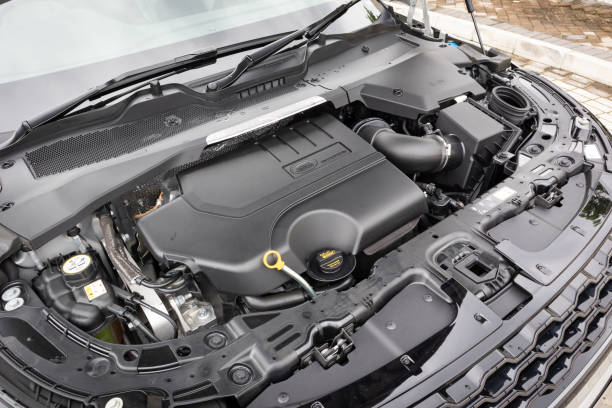
Land Rover Coolant Leak: Symptoms, Causes & Repair Guide
A Land Rover coolant leak happens when engine coolant escapes from the cooling system through a damaged hose, cracked plastic pipe, worn gasket, or failing water pump. It’s a serious issue because coolant is what keeps your engine at a safe operating temperature, and even a small, steady leak can lead to overheating, warped cylinder heads, or complete engine failure if ignored. Common signs include a sweet smell inside or outside the cabin, coolant puddles under the vehicle, a rising temperature gauge, or a low coolant warning light on the dash. If your Land Rover is actively overheating, you should stop driving immediately. If coolant loss is slow and the temperature gauge is normal, you can usually drive short distances to a workshop, but the leak still needs diagnosis and repair within days, not weeks.
What Is a Land Rover Coolant Leak?
A coolant leak is any point where engine coolant (a mix of antifreeze and water) escapes the sealed cooling system instead of circulating between the radiator, engine block, and heater core. Land Rover and Range Rover models — particularly those with the Ingenium four-cylinder and V6 engines, and older TDV6/TDV8 diesels — are known in the Dubai market for developing leaks at plastic coolant pipe connections and thermostat housings, largely due to heat-cycling in high ambient temperatures.
Coolant leaks fall into two broad categories: external leaks, which you can usually see or smell, and internal leaks, which are hidden inside the engine and are harder to detect but often more damaging.
How the Cooling System Works
Understanding the system helps explain why leaks happen where they do. Coolant is pushed by the water pump through the engine block and cylinder head, absorbing heat. It then travels through the radiator, where the cooling fan and airflow lower its temperature, before returning to the engine. The thermostat regulates when coolant is allowed to flow to the radiator versus recirculating for faster warm-up. The expansion tank (coolant reservoir) holds a reserve and allows the system to expand as it heats up, and the heater core uses hot coolant to warm the cabin. Because this is a sealed, pressurized system, any crack, worn seal, or loose connection anywhere along that loop can cause a leak.
Common Symptoms
Sweet smell in or around the vehicle
Coolant contains ethylene glycol, which has a distinct sweet odor when it burns or evaporates. If you notice this smell with the engine running, a small leak is likely dripping onto a hot surface like the exhaust manifold. This is worth investigating within a few days — it rarely resolves on its own and tends to get worse with heat cycling.
Coolant puddles or stains under the vehicle
Land Rover coolant is typically orange, pink, or blue-green depending on the specific formulation used (always check your owner’s manual, since mixing types can cause chemical breakdown). A puddle under the front or center of the car after parking points to a hose, pipe, or water pump seal. This should be checked before your next drive, especially in summer heat.
Temperature gauge climbing higher than normal
As coolant volume drops, the system loses its ability to absorb and transfer heat efficiently. A gauge that creeps toward the red zone, especially in traffic or on inclines, means the cooling system is already compromised. This is a stop-and-check situation, not a monitor-and-wait one.
Low coolant warning light
Most modern Land Rovers use a coolant level sensor in the expansion tank. When this light appears, the system has already lost a noticeable volume of coolant. Continuing to drive with this light on without checking the source risks running the engine with insufficient coolant, which can cause rapid overheating.
White exhaust smoke or a milky film on the oil cap
This is a more serious sign, often pointing to an internal leak such as a failing head gasket, where coolant is entering the combustion chamber or mixing with engine oil. This requires immediate professional diagnosis — driving further can cause severe engine damage.
Frequent need to top up coolant
If you’re adding coolant every week or two with no visible puddle, the leak may be internal, or occurring only under pressure/heat when the vehicle is running. This pattern should be diagnosed with a pressure test rather than repeatedly topped up.
Sweet-smelling steam from under the hood
Steam (as opposed to smoke) escaping from the engine bay usually means coolant is contacting a very hot component, often the exhaust or engine block directly. If you see this while driving, pull over safely and let the engine cool before checking further — don’t open the radiator cap while hot.
Common Causes
Cracked or brittle plastic coolant pipes
Many Land Rover and Range Rover engines use plastic coolant pipes and housings instead of metal, particularly around the thermostat and water pump area. In Dubai’s climate, repeated heat-cool cycling makes this plastic brittle over 5–8 years, leading to hairline cracks. Warning signs include slow coolant loss with no visible external puddle at first. Repair typically means replacing the affected pipe or housing section; left unaddressed, a crack can widen suddenly and cause rapid coolant loss and overheating.
Worn or perished radiator hoses
Rubber hoses degrade with age and heat exposure, developing soft spots, bulges, or small cracks near the clamps. Drivers often notice a puddle near the front of the engine bay. Hoses are a straightforward replacement, but ignoring a bulging hose risks a sudden blowout, which can cause total coolant loss and immediate overheating while driving.
Failing water pump seal
The water pump has an internal seal that can wear out over time, allowing coolant to seep out around the pump housing, often visible as staining on the timing cover or a weep hole. A failing pump can also start making a whining or grinding noise. If ignored, the pump can seize entirely, which stops coolant circulation completely and can cause overheating within minutes.
Damaged or cracked radiator
Corrosion, stone impact damage, or age can crack the radiator itself, often at the plastic end tanks where they meet the metal core. This shows up as leaking near the front bumper area. Radiators are usually replaced rather than repaired when cracked; a failing radiator reduces cooling capacity even before it fails completely, so overheating risk increases progressively.
Faulty expansion tank or cap
The expansion tank (coolant reservoir) can crack from heat and pressure cycling, or the pressure cap can lose its seal. This often shows up as coolant misting out from under the hood or a tank that appears to “sweat” coolant. Replacing the tank or cap is usually inexpensive, but a failing cap can also cause the whole system to run at lower pressure, which can lead to boiling coolant at lower temperatures than normal.
Heater core leak
The heater core sits inside the dashboard and can leak due to corrosion or age. A telltale sign is a sweet smell inside the cabin, condensation on the inside of the windshield, or a wet passenger footwell. Repairing a heater core is labor-intensive since the dashboard often needs partial removal, but ignoring it means continued coolant loss and a persistent damp, moldy smell in the cabin.
Head gasket failure
A failing head gasket allows coolant to enter the combustion chamber or oil system. Signs include white exhaust smoke, a milky substance on the oil cap or dipstick, and repeated overheating with no visible external leak. This is one of the more serious and costly causes, and driving with a suspected head gasket issue can warp the cylinder head, so it warrants stopping and having the vehicle inspected before continuing.
Where Coolant Leaks Usually Occur
- Radiator and radiator end tanks
- Upper and lower radiator hoses
- Water pump housing and seal
- Thermostat housing (often plastic)
- Coolant pipe connections along the engine block
- Expansion tank and pressure cap
- Heater core and heater hoses
- Head gasket (internal)
External vs Internal Coolant Leaks
External leaks are visible or detectable outside the engine’s internal components — puddles under the car, wet hoses, staining on the water pump, or a damp cabin footwell. These are generally easier and less expensive to diagnose and repair, since a visual inspection or UV dye test can usually pinpoint the source.
Internal leaks occur when coolant enters the engine’s oil system or combustion chambers without any external puddle. These are harder to detect and often only show up through symptoms like white exhaust smoke, oil contamination, or repeated coolant loss with no visible source. Internal leaks are typically more serious and more expensive to repair, since they often involve gasket or cylinder head work.
| Aspect | External Leak | Internal Leak |
|---|---|---|
| Visibility | Puddles, stains, wet hoses | No visible fluid outside the engine |
| Common cause | Hoses, pipes, water pump, radiator | Head gasket, cracked cylinder head |
| Detection method | Visual inspection, UV dye | Pressure test, oil analysis, compression test |
| Typical cost | Lower to moderate | Moderate to high |
| Urgency | Fix within days | Needs prompt diagnosis, avoid driving if overheating |
Why Coolant Leaks Happen in Dubai’s Climate
Dubai’s extreme summer heat accelerates wear on rubber hoses, gaskets, and especially the plastic coolant pipes and housings used in many Land Rover engines. Constant heat-cool cycling — engine bay temperatures soaring in traffic, then cooling rapidly when parked in air-conditioned garages — causes plastic and rubber components to become brittle faster than they would in milder climates. This is why Land Rover coolant leaks tend to appear earlier and more frequently in the UAE than in cooler markets, and why proactive inspection matters more here.
Most Affected Land Rover Models
Leak patterns vary by generation and engine, so always confirm specifics for your exact model and engine code. That said, some patterns are widely reported:
- Range Rover Sport and Range Rover (L494/L405) with Ingenium 4-cylinder engines: plastic coolant pipe and thermostat housing cracks are a recurring theme.
- Range Rover Evoque and Discovery Sport: similar plastic pipe and water pump concerns on Ingenium engines.
- Older Range Rover and Discovery models with TDV6/TDV8 diesel engines: water pump seal wear and radiator end-tank cracking are more common as these vehicles age.
If information varies significantly by model year or engine variant, a workshop familiar with your specific configuration will give the most accurate answer.
How Professionals Diagnose Coolant Leaks
A cooling system pressure test is the standard first step — the system is pressurized without the engine running to reveal exactly where it’s losing pressure, often making a slow leak visible in minutes.
UV dye leak detection is used for slow or intermittent leaks. A fluorescent dye is added to the coolant, the vehicle is driven or run, and a UV light is then used to spot the glowing residue at the leak point.
A cylinder leak-down or compression test, combined with an oil and coolant inspection, helps identify internal leaks such as a head gasket issue.
At Station One Autos, diagnosis typically starts with a pressure test and visual inspection before any parts are recommended, so repairs are based on the actual leak source rather than guesswork.
Can You Drive with a Coolant Leak?
It depends on how much coolant is being lost and whether the engine temperature is rising. If the temperature gauge is normal and the leak is minor, driving a short distance to a workshop is usually acceptable. If the temperature gauge is climbing, a warning light is active, or you see steam, you should stop and let the engine cool rather than continuing to drive.
| Situation | Safe to Drive? | Recommended Action |
|---|---|---|
| Slight coolant loss, gauge normal | Yes, short distance | Book a diagnosis within a few days |
| Coolant warning light on | Drive with caution | Check coolant level, head to a workshop soon |
| Temperature gauge rising | No | Pull over, let engine cool |
| Steam or burning smell | No | Stop immediately, do not open radiator cap while hot |
| White smoke from exhaust | No | Stop and arrange towing if possible |
What Happens If You Ignore It?
Ignoring a coolant leak allows the engine to run with reduced cooling capacity. Over time this can cause the engine to overheat, which may warp the cylinder head, damage the head gasket, or in severe cases cause the engine block to crack. What starts as an inexpensive hose or pipe replacement can turn into a head gasket or full engine repair if left unaddressed for weeks or months. Low coolant can absolutely damage the engine, even without a single dramatic overheating event — repeated mild overheating cycles cause cumulative wear on seals and gaskets.
Repair Options
Hose and pipe replacement: for worn rubber hoses or cracked plastic coolant pipes, straightforward replacement resolves the leak. Many specialists now recommend upgraded metal or reinforced pipes in place of factory plastic ones for better long-term durability in hot climates.
Water pump replacement: if the pump seal or bearing has failed, the whole unit is typically replaced along with the gasket and coolant.
Radiator replacement: a cracked radiator is generally replaced rather than repaired, since patch repairs on end tanks tend to fail again under pressure.
Head gasket repair: this involves removing the cylinder head, replacing the gasket, and checking the head for warping — a more involved and costly repair reserved for internal leaks.
Full cooling system flush: often performed alongside a repair to remove old, contaminated coolant and refill with the correct manufacturer-specified fluid, since using the wrong type can cause corrosion or seal damage.
Repair time varies: a hose or pipe replacement can often be completed same-day, while a head gasket repair may take several days depending on parts availability and the extent of any engine damage.
How to Prevent Future Coolant Leaks
- Have the cooling system inspected during routine servicing, not just when a problem appears.
- Ask your workshop to check coolant condition and level at every service, since old coolant becomes acidic and can accelerate hose and gasket wear.
- Replace rubber hoses proactively once they show any stiffness or surface cracking, rather than waiting for failure.
- Use only the coolant type specified for your exact engine — mixing types can cause a chemical reaction that damages seals.
- Consider aftermarket upgrades to metal coolant pipes on models known for plastic pipe failures, particularly if you plan to keep the vehicle long-term in a hot climate.
Maintenance Checklist
- Check coolant level monthly, especially before long drives or in peak summer months
- Inspect for puddles under the vehicle after it’s been parked overnight
- Watch the temperature gauge during longer or slower drives
- Replace coolant according to the manufacturer’s recommended interval, generally listed in the owner’s manual, or sooner if it looks murky or discolored
- Have hoses and pipes visually inspected at every oil change
- Address any coolant warning light immediately rather than resetting and ignoring it
Questions to Ask a Repair Workshop
- Have you pressure tested the system to confirm the exact leak point?
- Is this an external or internal leak?
- Are you using genuine or OEM-equivalent parts?
- Will you flush and replace the coolant with the correct specification?
- Is there any risk the leak has already caused overheating damage?
- What’s the warranty on the parts and labor for this repair?
Frequently Asked Questions
Why is my Land Rover losing coolant?
The most common reasons are a cracked plastic coolant pipe, a worn hose, a failing water pump seal, or a cracked radiator. Internal causes like a head gasket leak are less common but more serious.
Can I drive with a coolant leak?
If the leak is minor and the temperature gauge is normal, a short drive to a workshop is usually fine. If the gauge is rising or a warning light is on, you should stop and let the engine cool.
Can coolant disappear without a visible leak?
Yes. Internal leaks, where coolant enters the engine oil or combustion chamber, don’t produce an external puddle. This is one reason unexplained coolant loss should always be professionally diagnosed rather than just topped up.
What color is Land Rover coolant?
This varies by model and coolant specification — commonly orange, pink, or blue-green. Always check your owner’s manual, since mixing incompatible coolant types can cause sediment buildup or seal damage.
How much coolant loss is normal?
In a healthy system, coolant level should stay essentially constant between services. Needing to top up regularly, even small amounts, indicates a leak somewhere in the system.
How do mechanics find hidden leaks?
Through a cooling system pressure test and UV dye detection, which reveal leak points that aren’t visible during a normal inspection.
Can low coolant damage the engine?
Yes. Running with insufficient coolant reduces the engine’s ability to manage heat, which can lead to warped components, gasket damage, or in severe cases a cracked engine block.
How often should coolant be replaced?
This depends on the engine and coolant type — check your owner’s manual for the manufacturer’s recommended interval, and always have it checked at each major service.
Is a coolant leak an emergency?
It depends on severity. A slow drip is not usually an immediate emergency, but a rising temperature gauge, steam, or white exhaust smoke should be treated as one.
What does a sweet smell in my car mean?
It usually indicates coolant is leaking and evaporating somewhere in the engine bay, or in some cases inside the cabin from a heater core leak.
Why do Land Rovers develop plastic coolant pipe cracks?
Many models use plastic pipes and housings in the cooling system, and repeated heat-cycling, especially in hot climates like Dubai, makes this plastic brittle and prone to cracking over time.
Can a coolant leak cause the AC to stop working?
Not directly, since coolant and AC refrigerant are separate systems, but severe overheating can trigger the engine to enter a protective mode that may affect overall vehicle performance including auxiliary systems.
Is it expensive to fix a Land Rover coolant leak?
Cost depends entirely on the cause. Hose or pipe replacement is generally affordable, while a head gasket repair for an internal leak is significantly more involved and costly.
Do I need genuine parts for a coolant repair?
Genuine or high-quality OEM-equivalent parts are recommended, particularly for pipes and gaskets, since lower-quality aftermarket parts can fail again quickly under heat.
Can I just keep topping up coolant instead of repairing the leak?
This is a temporary workaround at best. The underlying leak will typically worsen over time, and repeated low-coolant conditions increase the risk of engine damage.
Final Thoughts
A coolant leak is one of those problems that’s inexpensive to fix early and expensive to ignore. Most cases start small — a cracked plastic pipe, a worn hose, a tired water pump seal — and stay small if they’re diagnosed and repaired promptly. The moment the temperature gauge starts climbing or you notice a persistent sweet smell, it’s worth having the system pressure tested rather than waiting to see if it gets worse. A proper diagnosis at a workshop experienced with Land Rover and Range Rover cooling systems, like Station One Autos in Al Quoz, Dubai, can identify the exact source using pressure testing and UV dye detection, and recommend the right fix using quality parts — which is almost always cheaper than dealing with an overheated engine down the line.
Related reading: Land Rover Engine Overheating, Land Rover Water Pump Replacement, Land Rover Radiator Repair, Land Rover Thermostat Replacement, and our full Land Rover Maintenance Guide and Service Cost Guide.