




































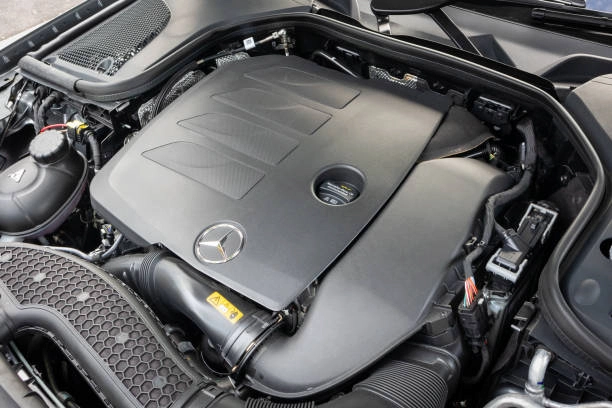
Mercedes Cooling System Problems | Overheating, Leaks & Repair Guide
A Mercedes cooling system does much more than keep the temperature gauge at its normal position. It protects the engine from excessive heat by circulating coolant through the engine and radiator. When something goes wrong, the first signs may seem small. You might notice that the coolant level keeps dropping, the temperature rises in traffic, there is a sweet smell around the engine, or steam appears under the bonnet.
In Dubai, these warning signs should not be ignored. High temperatures, heavy traffic, and long periods of idling can put extra demand on the cooling system. But Dubai heat is not normally the only reason a Mercedes overheats. If your car repeatedly runs hot, there is usually an underlying problem that needs to be found. This guide explains the most common Mercedes cooling system problems, the warning signs to look for, what can cause overheating or coolant loss, how the problem is diagnosed, and what you should do before a small cooling issue becomes expensive engine damage.
How Does a Mercedes Cooling System Work?
The Mercedes cooling system is designed to keep the engine within a safe operating temperature. Coolant absorbs heat from the engine and moves through the cooling system. The water pump circulates the coolant, the thermostat controls coolant flow, and the radiator releases heat from the coolant. The cooling fan provides additional airflow when needed, especially when the vehicle is stationary or moving slowly.
The main cooling-system components include:
- Radiator
- Water pump
- Thermostat
- Cooling fan
- Expansion tank
- Coolant hoses and pipes
- Temperature sensors
- Thermostat housing
- Seals and connections
These components work together. A problem with one part can affect the performance of the entire system. For example, a coolant leak can reduce the coolant level. A weak water pump can affect coolant circulation. A blocked radiator can reduce heat transfer, while a cooling fan problem can become more noticeable in slow-moving traffic. That is why an overheating warning should be treated as a symptom that needs diagnosis rather than immediately assuming that one particular component has failed.
What Are the Signs of Mercedes Cooling System Problems?
Your Mercedes may provide several warning signs before a cooling-system problem becomes serious. Common signs include:
- Temperature gauge rising above its usual position
- Coolant warning appearing on the dashboard
- Coolant level becoming low
- Repeated need to add coolant
- Sweet smell around the engine bay
- Coolant visible under the vehicle
- Steam coming from the engine bay
- Cooling fan running unusually loudly
- Temperature rising mainly in traffic
- Temperature fluctuating while driving
- Engine performance becoming weaker
- AC becoming less effective while the vehicle is stationary
One symptom does not always identify the failed component. For example, overheating in traffic could be related to the cooling fan, radiator airflow, coolant level, or another cooling-system problem. The pattern of the problem is often just as important as the symptom itself.
Why Is My Mercedes Overheating?
Mercedes overheating can happen for several reasons. The cooling system needs to be checked properly to determine the actual cause.
Low Coolant Level
The cooling system needs enough coolant to transfer heat away from the engine. If the coolant level becomes too low, the system may not be able to control engine temperature properly. If you repeatedly need to add coolant, do not consider topping it up a permanent solution. There may be a leak or another problem causing the coolant level to fall.
Coolant Leak
A coolant leak can gradually reduce the amount of coolant available to circulate through the engine.
Common leak points include:
- Radiator
- Coolant hoses
- Water pump
- Expansion tank
- Thermostat housing
- Coolant pipes
- Seals and connections
A small leak may not always leave an obvious puddle. Some leaks become easier to identify when the cooling system is hot and pressurised.
Water Pump Failure
The water pump circulates coolant through the engine and cooling system. If the pump becomes worn, damaged, or starts leaking, coolant circulation may be affected. Possible symptoms include:
- Overheating
- Coolant loss
- Unusual noise
- Temperature problems in traffic
- Coolant residue around the pump area
The exact symptoms depend on the Mercedes model and engine, so the water pump should be properly inspected before replacement.
Thermostat Failure
The thermostat controls coolant flow as the engine reaches its operating temperature. If the thermostat becomes stuck closed, coolant flow through the radiator can be restricted and the engine may overheat. If it remains open, the engine may take longer than normal to reach its operating temperature.
Possible signs include:
- Temperature fluctuations
- Overheating
- Slow engine warm-up
- Unusual temperature behaviour
Radiator Problems
The radiator removes heat from the coolant. A radiator can develop several problems, including:
- Coolant leaks
- Blocked internal passages
- Damaged fins
- Corrosion
- Dirt and debris
- Restricted airflow
A radiator problem can become more noticeable in traffic because there is less natural airflow through the front of the vehicle.
Cooling Fan Failure
The cooling fan is especially important when your Mercedes is stationary or moving slowly. At higher speeds, natural airflow helps cool the radiator. In traffic, the cooling fan has to provide much more airflow. A faulty fan motor, electrical problem, control issue, or related sensor fault can cause the engine temperature to rise when the car is sitting in traffic.
Why Does My Mercedes Overheat Only in Traffic?
This is an important clue when diagnosing a cooling-system problem. Imagine your Mercedes stays at its normal temperature while driving on the highway but starts getting hot after spending time in Dubai traffic. Once traffic clears and you begin driving faster, the temperature may return to normal. This type of behaviour can point toward problems involving:
- Cooling fan operation
- Fan control
- Radiator airflow
- Radiator condition
- Coolant circulation
- Low coolant
However, this symptom alone does not prove that the cooling fan is faulty. A technician should test the system and determine why the temperature is rising before replacing parts.
Mercedes Coolant Leaks: Where Can the Coolant Go?
A coolant leak is one of the common reasons a Mercedes may develop overheating problems. The difficult part is that not every coolant leak produces an obvious puddle.
Radiator Leak
The radiator can develop leaks through damaged areas, connections, or seals.
Coolant Hose Leak
Hoses can become hard, brittle, cracked, or damaged after repeated heat cycles.
Water Pump Leak
A failing water pump can sometimes leak coolant before the pump completely fails.
Expansion Tank Leak
The expansion tank can develop cracks or sealing problems that allow coolant to escape.
Thermostat Housing Leak
Depending on the Mercedes engine, the thermostat housing or its surrounding seals can become a source of coolant loss.
Coolant Pipe or Connection Leak
Small pipes, connectors, clamps, and seals can also become leak points.
Internal Coolant Loss
If no external leak can be found but the coolant level continues to fall, further testing may be needed to determine whether the coolant is being lost internally.
How Can I Tell If My Mercedes Has a Coolant Leak?
There are several things you can look for.
Sweet Coolant Smell
A noticeable sweet smell after driving can indicate coolant escaping near hot engine components.
Fluid Under the Car
A puddle underneath the Mercedes can indicate an external leak, although the position of the puddle does not always show the exact source.
Dried Coolant Residue
A slow leak can leave dried residue around hoses, connections, or cooling-system components.
Repeated Coolant Warnings
If the coolant warning keeps returning after topping up the coolant, the system should be inspected.
Steam From the Engine Bay
Steam can indicate a serious coolant leak or overheating condition. If coolant keeps disappearing but the leak cannot be found, a cooling-system pressure test can help locate hidden leaks.
Why Does My Mercedes Overheat in Dubai?
Dubai’s driving conditions can put additional demand on the cooling system.
High Outside Temperatures
When the outside temperature is already high, the cooling system has to release engine heat into hot surrounding air.
Stop-and-Go Traffic
Slow-moving traffic reduces natural airflow through the radiator.
Long Periods of Idling
When the vehicle is stationary, the cooling fan becomes more important because there is little natural airflow.
Heavy AC Use
The engine cooling system and AC system are separate, but both operate in a demanding hot environment.
Dust and Debris
Dust and debris around the front cooling area can restrict airflow through the radiator and other heat exchangers. The important point is that Dubai’s heat can increase cooling-system demand, but persistent overheating should not simply be blamed on the weather. A healthy Mercedes cooling system should be able to manage normal operating conditions.
What Is the Difference Between Mercedes Engine Cooling and AC?
The engine cooling system and the air-conditioning system are different systems. The engine cooling system uses coolant to control engine temperature. The AC system uses refrigerant and components such as the compressor, condenser, and evaporator to cool the cabin. However, both systems operate in the same vehicle and work under demanding conditions during hot weather.
If your Mercedes is overheating while the AC is also becoming weak in traffic, both systems may need to be checked. If the engine temperature remains normal but the cabin AC is blowing warm air, the problem may be within the AC system rather than the engine cooling system. For cabin-cooling problems, you can also explore our Car AC Repair Dubai service.
How Are Mercedes Cooling System Problems Diagnosed?
Proper diagnosis is more than simply looking under the bonnet and replacing the first part that appears suspicious. A professional inspection may include several steps.
Check the Coolant Level and Condition
The coolant level and condition are checked when appropriate.
Inspect for Visible Leaks
The technician checks hoses, connections, radiator, expansion tank, water pump area, and other accessible components.
Pressure-Test the Cooling System
A pressure test can help reveal leaks that may not be obvious during a normal visual inspection.
Check the Radiator
The radiator is inspected for leaks, damage, blockage, and airflow restrictions.
Test the Cooling Fan
The cooling fan and its control system are checked to make sure they operate correctly.
Check Thermostat Operation
Temperature behaviour and coolant circulation can help determine whether the thermostat is functioning correctly.
Inspect the Water Pump
The water pump is checked for leaks, noise, and correct operation according to the particular Mercedes engine.
Check Temperature Readings
Diagnostic equipment can provide useful information about coolant temperature and how the system is behaving.
Scan for Diagnostic Faults
Modern Mercedes vehicles use advanced electronic systems, so diagnostic scanning can provide additional information about stored faults and system operation.
Investigate Internal Engine Problems
If no external cooling-system problem explains the overheating or coolant loss, additional testing may be required.
The goal is simple:
Find the cause before replacing the part.
That approach helps avoid unnecessary repairs and gives the vehicle a better chance of receiving the correct fix the first time.
What Should I Do If My Mercedes Starts Overheating?
If the temperature starts rising, take action rather than continuing to drive normally.
Reduce Engine Load
Avoid hard acceleration and unnecessary engine load.
Find a Safe Place to Stop
If the temperature continues to rise, pull over safely.
Turn the Engine Off if It Is Seriously Overheating
Do not continue driving a vehicle that is severely overheating.
Do Not Open the Coolant Cap While Hot
The cooling system can be pressurised. Hot coolant or steam can escape and cause serious burns.
Allow the Vehicle to Cool
Let the engine cool before attempting to inspect the coolant level.
Arrange Proper Diagnosis
Adding coolant may temporarily restore the level, but it does not repair the reason why the coolant was lost.
If the temperature reaches the red zone or you see steam, stop driving as soon as it is safe and arrange appropriate assistance.
Can Mercedes Overheating Damage the Engine?
Yes. The cooling system is designed to protect the engine from excessive heat. If a Mercedes continues running while severely overheated, excessive temperature can damage important engine components. Depending on the severity of the overheating, possible damage can include:
- Cylinder head damage
- Head gasket damage
- Seal damage
- Internal engine damage
This is why a small coolant leak should not be ignored. A leaking hose or thermostat may be a relatively manageable repair. Engine damage caused by continued overheating can be considerably more expensive.
What Mercedes Cooling System Repairs May Be Needed?
The required repair depends on what the diagnosis finds.
Possible repairs include:
- Coolant leak repair
- Coolant hose replacement
- Radiator repair or replacement
- Thermostat replacement
- Thermostat housing replacement
- Water pump replacement
- Cooling fan repair
- Expansion tank replacement
- Temperature sensor replacement
- Seal or gasket replacement
- Cooling-system flushing where appropriate
- Coolant refill
- Cooling-system bleeding
- Further engine repair if overheating has caused internal damage
There is no single repair for every Mercedes overheating problem. The correct repair is the one that fixes the actual cause.
How Much Does Mercedes Cooling System Repair Cost in Dubai?
The cost of Mercedes cooling system repair varies depending on the vehicle and the problem.
Factors that can affect the price include:
- Mercedes model
- Engine type
- Failed component
- Parts required
- Labour
- Severity of the problem
- Additional damage
- Diagnostic requirements
For example, replacing a damaged hose is a very different repair from replacing a radiator, water pump, or repairing an engine that has been damaged by severe overheating. For this reason, an accurate repair price should normally follow a proper diagnosis.
Mercedes Cooling System Problems by Symptom
| What You Notice | What It May Indicate |
|---|---|
| Temperature rises in traffic | Cooling fan, airflow, radiator, or coolant-flow issue |
| Coolant keeps disappearing | External or internal coolant loss |
| Sweet coolant smell | Possible coolant leak |
| Steam from the engine bay | Serious overheating or coolant leak |
| Temperature fluctuates | Thermostat, coolant circulation, or sensor issue |
| Cooling fan runs very loudly | Increased cooling demand or fan/control problem |
| Coolant puddle under the car | Possible external leak |
| Heater suddenly blows cold | Low coolant or coolant-circulation problem |
| AC becomes weak in traffic | AC or heat-management issue |
| Mercedes overheats repeatedly | Cooling-system diagnosis required |
These symptoms are useful clues, but they are not a replacement for professional diagnosis.
How Can You Prevent Mercedes Cooling System Problems?
You cannot prevent every cooling-system failure, but you can reduce the risk of a small problem becoming a major repair.
Do Not Ignore Coolant Warnings
A warning that disappears after adding coolant does not necessarily mean the problem has been fixed.
Watch for Repeated Coolant Loss
If the coolant level keeps dropping, find out why.
Pay Attention to Temperature Changes
If your Mercedes starts behaving differently from normal, have the cooling system checked.
Look for Signs of Leaks
Coolant smell, residue, or fluid underneath the vehicle can all be useful warning signs.
Keep Cooling Areas Clear
Dirt and debris can affect airflow through the radiator and other heat exchangers.
Use the Correct Coolant
Do not choose coolant only by its colour. Use the coolant specification appropriate for your Mercedes model and engine.
Repair Small Problems Early
A small leak or failing component can become much more serious if it leads to overheating.
When Should You Get Your Mercedes Cooling System Checked?
You should arrange a cooling-system inspection if you notice:
- Repeated coolant warnings
- Coolant disappearing
- Temperature higher than normal
- Overheating in traffic
- Temperature fluctuations
- Coolant smell
- Visible coolant
- Steam
- Unusual cooling-fan noise
- Repeated coolant top-ups
- AC becoming weak at the same time as engine temperature rises
You do not need to wait until the temperature reaches the red zone.
Finding the problem while it is still a cooling-system fault can help prevent it from becoming a much larger engine repair.
Frequently Asked Questions About Mercedes Cooling System Problems
Why is my Mercedes overheating?
A Mercedes can overheat because of low coolant, coolant leaks, thermostat problems, water pump faults, radiator restrictions, cooling fan problems, or other cooling-system faults. Proper diagnosis is needed to identify the exact cause.
Why is my Mercedes losing coolant?
Coolant can escape through a radiator, hose, water pump, expansion tank, thermostat housing, coolant pipe, seal, or another connection. A hidden leak may require pressure testing to locate.
Why is my Mercedes coolant leaking?
Age, repeated heat cycles, damaged hoses, seals, plastic cooling-system components, radiator damage, and water pump problems can all contribute to coolant leaks.
Why does my Mercedes overheat only in traffic?
Overheating that mainly happens in slow traffic can point toward a cooling fan or airflow problem. However, low coolant, radiator restrictions, and coolant-circulation problems can produce similar symptoms.
Can a bad thermostat cause Mercedes overheating?
Yes. A thermostat that does not open correctly can restrict coolant flow through the radiator and contribute to overheating.
How do I know if my Mercedes water pump is failing?
Possible signs include overheating, coolant leakage, unusual noise, and temperature-control problems. These symptoms can also be caused by other cooling-system faults, so testing is important.
Can a coolant leak damage my Mercedes engine?
Yes. Significant coolant loss can cause overheating, and severe or repeated overheating can result in serious engine damage.
Can I drive my Mercedes if it is overheating?
If the Mercedes is seriously overheating, you should not continue driving it. Stop safely and arrange appropriate assistance or inspection.
Why does my Mercedes AC become weak when it overheats?
The AC system and engine cooling system are separate systems. However, both operate under demanding conditions in hot weather, and airflow or heat-management problems can sometimes become noticeable at the same time.
Does Dubai heat cause Mercedes overheating?
Dubai’s high temperatures, heavy traffic, and long periods of idling can increase demand on the cooling system. However, repeated overheating should still be investigated for an underlying fault.
What should I do when my Mercedes coolant warning comes on?
Take the warning seriously. If the engine temperature is rising, stop safely and allow the vehicle to cool. Do not open the coolant reservoir while the system is hot.
How much does Mercedes cooling system repair cost in Dubai?
The cost depends on the Mercedes model, engine, failed component, parts, labour, and severity of the problem. A proper diagnosis is the best way to determine the required repair.
Mercedes Cooling System Repair in Dubai
When your Mercedes starts overheating, losing coolant, or showing a temperature warning, the most important step is to find the actual cause.
A radiator problem can produce symptoms similar to a thermostat problem. A cooling fan fault may only become obvious in traffic. A small coolant leak may eventually cause severe overheating.
That is why the right approach is:
Inspect → Diagnose → Find the Cause → Repair → Test
At Station One Autos, Mercedes owners in Dubai can get professional assistance with Mercedes servicing and repair.
If you are experiencing overheating, coolant loss, unusual temperature changes, or another cooling-system warning, visit our Mercedes Repair Dubai service page to learn more.
Do not wait for a cooling-system warning to become an engine problem. Find the cause early and protect your Mercedes from unnecessary damage.