

What Happens When Your Car Battery Dies Suddenly?
Your car won’t start. The dashboard lights are dark. You turn the key and hear nothing but silence—or worse, that rapid clicking sound. If this has happened to you, you’ve experienced what happens when your car battery dies suddenly. It’s a frustrating situation that can leave you stranded, but understanding what’s going on behind the scenes helps you handle it better. At stationoneautos, we help thousands of drivers every year deal with sudden battery failures, and we’re here to walk you through exactly what happens and what you should do about it.
Signs Your Car Battery Died Suddenly
When a car battery dies suddenly, the signs are usually pretty obvious, though sometimes they catch you off guard. Here’s what you might notice:
The clicking sound when you turn the key – This rapid, repetitive clicking is one of the most common signs. Your alternator and starter motor aren’t getting enough power, so they can’t engage properly. Instead, you hear that distinctive click-click-click pattern that tells you there’s an electrical issue.
Nothing happens when you turn the key – Complete silence is another telltale sign. No engine cranking, no dashboard lights, no warning sounds. It’s like your car has fallen asleep, and you’re trying to wake it up.
Dashboard lights are dim or completely off – Your battery powers your electrical systems, so when it’s dead, you won’t see your instrument cluster light up when you turn the ignition to the “on” position.
Smell of rotten eggs near the battery – In some cases, you might notice a sulfur smell coming from under the hood. This suggests battery damage or leakage, which is a serious sign.
The battery is visibly swollen or corroded – If you pop open your hood and look at the battery terminals, you might see white, blue, or green crusty deposits. This corrosion blocks the electrical connection, preventing power from reaching your starter motor and other essential systems.
Your car starts but immediately dies – Sometimes a dying battery will get your engine to turn over for a second before everything shuts down. This happens when the battery doesn’t have enough reserve charge to keep the engine running.
Common Causes of Sudden Battery Failure
Understanding why your battery died suddenly can help you prevent it from happening again. Here are the most common culprits:
Old battery nearing the end of its life – Car batteries typically last between 3 to 5 years. If your battery is older, it’s more susceptible to sudden failure, especially in extreme temperatures. Cold weather makes it harder for the chemical reaction inside the battery to generate power, while hot weather accelerates the breakdown of the battery’s internal components.
Parasitic drain on your electrical system – Sometimes, something in your car is drawing power even when the engine is off. This could be a faulty door light switch that stays on, a broken trunk latch light, or an aftermarket radio or alarm system. Over days or weeks, this slow drain can completely kill your battery, leaving you with a sudden failure when you go to start the car.
Alternator failure – Your alternator is responsible for recharging your battery while the engine runs. If it’s not working properly, your battery will slowly lose its charge. Eventually, you’ll turn the key one day and find yourself with a car battery dies suddenly situation because the battery never got a chance to recharge.
Corroded battery terminals – Corrosion builds up around the battery’s positive and negative terminals over time. This white, blue, or green buildup acts like an insulator, preventing proper electrical contact. Even if your battery has charge, the corrosion can make it impossible for that power to reach your engine.
Loose battery connections – The cables connected to your battery terminals might come loose due to vibration or corrosion. A loose connection interrupts the flow of electricity, effectively cutting your battery off from the rest of your electrical system.
Leaving your lights on – This is the classic mistake. You forget to turn off your headlights or interior lights, and you come back to your car to find the battery completely drained.
Extreme cold weather – Winter temperatures reduce battery performance significantly. A battery that works fine in summer might not have enough power to start your car on a freezing morning, leading to what feels like a sudden battery failure.
Defective battery – Sometimes, a brand-new battery is simply defective. Manufacturing flaws can cause a battery to fail suddenly, even if it’s only a few months old.
What to Do Immediately (Step-by-Step)
So you’ve turned the key, and nothing happened. Your car won’t start battery dead. Don’t panic. Here’s exactly what you should do:
Step 1: Turn off all electrical systems – If you already tried to start the car, turn the ignition completely off. Make sure your headlights, interior lights, and any other systems are switched off. This protects your battery and prevents further drain.
Step 2: Stay safe – If you’re on the side of the road or in traffic, turn on your hazard lights (if they work) and move your car to a safe location if possible. If you’re stuck in traffic, stay in your car with the seatbelt fastened and call for help.
Step 3: Check for obvious problems – If it’s safe to do so, pop open your hood and look at the battery. Are the terminal connections loose? Is there visible corrosion? Are any cables disconnected? Sometimes you can spot the problem right away.
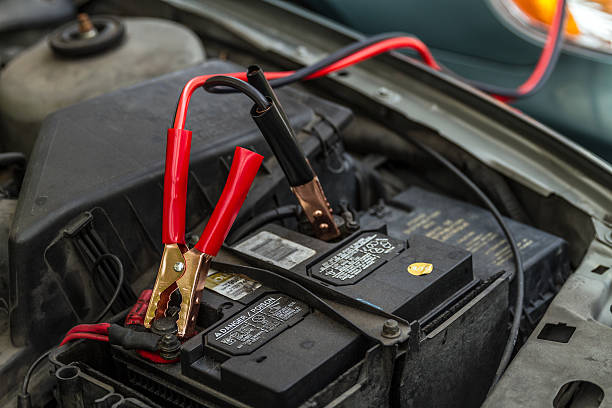
Step 4: Try a jump start – If you have jumper cables and another car available, you can attempt a jump start. Connect the red cable to the positive (+) terminal of your dead battery, then to the positive terminal of the other car’s battery. Connect the black cable to the negative (-) terminal of the good battery, then to an unpainted metal surface on your car (not the negative terminal). Have the other driver start their car and wait a few minutes, then try to start yours. If it works, drive for at least 20 minutes to recharge your battery.
Step 5: Call for roadside assistance – If you don’t have jumper cables, another car, or if the jump start doesn’t work, it’s time to call for help. You can reach out to roadside assistance services, your auto insurance company, or a trusted mechanic. At stationoneautos, we offer fast and reliable jump start services and can get you back on the road quickly.
Step 6: Don’t panic if it happens repeatedly – If you jump-start your car and it dies again shortly after, there’s likely a deeper problem with your alternator or electrical system. Keep the car running and go straight to a service station. Don’t shut it off, or you might not be able to start it again.
Can You Fix a Dead Battery or Replace It?
This is the million-dollar question: is your battery salvageable, or do you need a new one?
Can a dead battery be jump-started? Yes, in most cases a dead battery can be jump-started using jumper cables or a portable booster. However, whether your battery will hold a charge after the jump start is another story. If your battery dies suddenly due to leaving your lights on overnight, a jump start will probably bring it back to life completely. But if the battery is old, defective, or damaged, the jump start might only give you temporary power. You’ll still need a replacement.
When should you replace your battery? If your battery is more than 3 to 5 years old, it’s probably time for a replacement anyway. If it’s younger but has died suddenly, a professional can test it to determine if it’s worth keeping or if a replacement is necessary. Most batteries come with a warranty, so if your battery fails unexpectedly and it’s still under warranty, you might be able to get a free or discounted replacement.
Can you fix battery corrosion? Yes! If your battery terminal is corroded but the battery itself is fine, you can clean the corrosion using a mixture of baking soda and water. Disconnect the negative terminal first, then scrub the corroded area with an old toothbrush. Rinse thoroughly, dry completely, and reconnect. This simple fix can restore your battery’s performance and prevent future sudden battery failures.
When to Call a Professional Service
While some battery issues are DIY-friendly, there are several situations where you should call a professional:
Your battery keeps dying after a jump start – This usually indicates an alternator problem or a parasitic drain that you need professional help to diagnose and fix.
You see smoke or fluid leaking from the battery – This is a safety hazard and requires immediate professional attention.
Your battery is visibly damaged or swollen – A damaged battery is dangerous and needs to be safely removed and replaced.
You’re not comfortable working with batteries – Working with batteries involves electrical systems and chemicals. If you’re unsure about anything, it’s better to let a professional handle it.
You need a diagnostic test – If you’re not sure whether it’s your battery, alternator, or something else, a professional mechanic can run diagnostic tests to pinpoint the exact problem.
At stationoneautos, our certified technicians can diagnose your battery issue, perform jump starts on the spot, and replace your battery with a quality unit backed by a manufacturer’s warranty. We understand how frustrating a sudden car battery failure is, and we’re committed to getting you back on the road as quickly as possible. Whether you’re stranded in a parking lot or stuck on the highway, we’re just a call away.
Cost of Battery Replacement & Jump Start
When your car battery dies suddenly, you’ll want to know what it’s going to cost you. Here’s what you can typically expect:
Jump start service – If a simple jump start is all you need, expect to pay anywhere from $50 to $150, depending on your location and whether you call a roadside assistance service or a local mechanic. Some auto insurance policies and roadside assistance memberships include jump starts at no extra charge.
Battery replacement – A new car battery typically costs between $100 and $300 for a standard battery, depending on your vehicle’s make and model. Premium batteries or high-performance batteries can cost $200 to $500 or more. Don’t forget that many retailers offer installation for free or at a small additional charge.
Diagnostic testing – If you need a mechanic to figure out why your battery died, diagnostic fees typically range from $75 to $150. However, if you go ahead with the repair or replacement, many shops credit this fee toward your final bill.
Corrosion cleaning – If the problem is just corroded terminals, cleaning might cost $20 to $50, making it an affordable fix compared to a full replacement.
The good news? Compared to many other car repairs, battery issues are relatively inexpensive to fix. It’s a small price to pay for peace of mind and getting your car running again.
How to Prevent Your Car Battery from Dying Again
Once you’ve dealt with a sudden battery failure, the last thing you want is for it to happen again. Here are practical steps to keep your battery healthy:
Get your battery tested annually – Many auto parts stores and service centers offer free battery testing. Once a year (especially before winter), have a professional check your battery’s health and charging system.
Keep battery terminals clean – Check your battery terminals every few months. If you see corrosion, clean it off with that baking soda and water mixture we mentioned earlier. A clean connection ensures reliable power delivery.
Drive your car regularly – If your car sits unused for weeks, your battery will slowly lose its charge. Try to drive at least once or twice a week, and take longer drives occasionally to give your alternator time to fully recharge the battery.
Turn off all lights and systems before leaving your car – It sounds simple, but it’s easy to forget about that interior light or leave the sunroof partially open. Make a habit of checking that everything is off before you walk away.
Limit short trips – Multiple short trips don’t give your alternator enough time to fully recharge your battery. If possible, combine several errands into one longer drive.
Avoid extreme temperatures – Park in a garage or shaded area when possible, especially in hot or cold weather. Extreme temperatures stress your battery and shorten its lifespan.
Have your alternator checked – If your battery keeps dying even after replacement, your alternator might be the culprit. A faulty alternator won’t recharge your battery, leading to repeated battery failure.
Inspect your electrical system – Look for any signs of parasitic drain, like dome lights that won’t turn off or aftermarket accessories that might be draining power. Address these issues promptly.
Replace your battery proactively – Don’t wait for your battery to die suddenly. If it’s 3 to 5 years old, go ahead and replace it before it fails. This is a great way to avoid being stranded at an inconvenient time.
FAQ: Quick Answers About Sudden Car Battery Failure
Q: What happens when a car battery dies suddenly? A: Your car won’t start, electrical systems fail, and you may hear a rapid clicking sound from the starter motor. Dashboard lights will be dim or completely off, and the engine won’t turn over.
Q: Can a dead battery be jump-started? A: Yes, in most cases a dead battery can be jump-started using jumper cables or a portable booster. However, if the battery is old or defective, it may need to be replaced for a permanent fix.
Q: How long does it take to replace a car battery? A: A battery replacement usually takes 30 minutes to an hour, depending on your vehicle. Some cars have the battery in an easy-to-access location, while others require removing other components first.
Q: What should I do if my car battery dies while I’m driving? A: Try to safely pull over to the side of the road. Turn off all electrical systems and turn on your hazard lights. If the car is still running, drive to the nearest service station. If it has already stalled, call for roadside assistance.
Q: Is a dead battery covered by warranty? A: Most car batteries come with a 2 to 3-year manufacturer’s warranty. If your battery fails within this period, you may be eligible for a free or discounted replacement. Check your warranty documentation for details.
Q: Can cold weather cause a car battery to die suddenly? A: Yes. Cold temperatures reduce a battery’s ability to generate electrical power. A battery that works fine in summer might struggle to start your car on a freezing morning, which can feel like a sudden failure.