

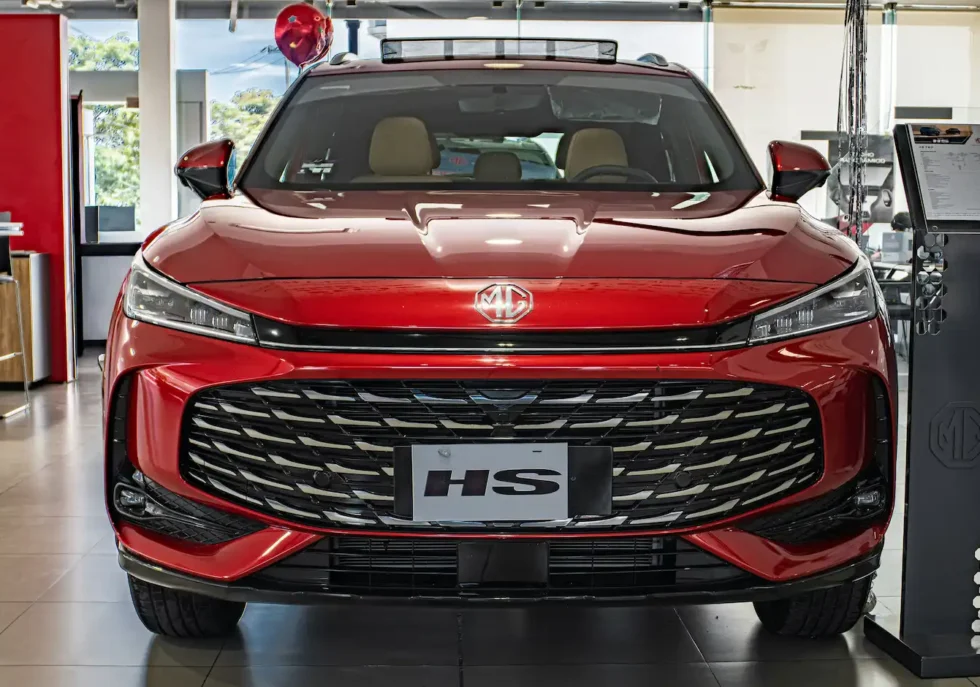
MG HS Common Problems and Maintenance Tips Every Owner Should Know
The MG HS has become one of the most popular family SUVs on UAE roads, and it’s easy to see why. It offers a spacious cabin, a strong list of standard features, and a price tag that undercuts many of its rivals. For drivers in Dubai, Sharjah, and across the Emirates, it’s a practical choice for daily commuting, school runs, and weekend trips out of the city.
But owning any car well means understanding it, not just driving it. The MG HS, like every vehicle, has a known set of weak points that tend to surface as the odometer climbs and the UAE heat takes its toll. Knowing what these issues are — and catching them early — is the difference between a quick, affordable fix and a major repair bill.
At Station One Autos, our technicians work on MG vehicles every week in our Al Quoz workshop, and we’ve built a clear picture of how the HS behaves over time in this climate. This guide walks through the common MG HS problems we see most often, the warning signs owners should never ignore, and the maintenance routine that keeps these SUVs reliable for the long haul. Preventive care isn’t about spending more on your car — it’s about spending less, later, by dealing with small issues before they become expensive ones.
Understanding MG HS Reliability and Ownership Experience
The MG HS sits in a competitive segment, and its reliability record is mixed rather than outstanding. Independent reliability surveys in markets like the UK have placed the HS and the MG brand below the class average for family SUVs, with the most frequently reported issues centred on electronics, infotainment software, and the dual-clutch automatic gearbox. That doesn’t mean the HS is a bad car — it means it’s a car that rewards attentive ownership.
MG backs the HS with a generous manufacturer warranty, which is a genuine advantage for owners. But a warranty only covers what it covers, and it doesn’t replace routine maintenance. Many of the faults reported by HS owners worldwide — jerky low-speed gear changes, infotainment freezes, battery drain, brake disc wear — are the kind of issues that either get worse with neglect or can be largely avoided with the right service schedule.
In Dubai specifically, the HS faces an additional layer of stress that owners in milder climates don’t have to think about: extreme heat, long idling periods in traffic, and dust. We’ll cover exactly how that affects the car later in this guide, but it’s worth saying upfront — an MG HS serviced to UAE conditions, not just the manufacturer’s generic schedule, will hold up noticeably better over five to seven years of ownership.
Most Common MG HS Problems
Engine Performance Issues
The MG HS is offered with turbocharged petrol engines and, in some markets, a plug-in hybrid powertrain. Across both, the most common engine-related complaints we encounter involve rough idling, hesitation under acceleration, and occasional misfires. These symptoms are frequently traced back to carbon buildup on intake components, a dirty or failing mass airflow sensor, or spark plugs that have gone past their service interval.
Turbocharged engines are also more sensitive to oil quality and change intervals than older naturally aspirated units. Running the engine on degraded oil, or stretching intervals beyond what Dubai’s heat allows, accelerates wear on the turbocharger bearings and can lead to reduced power output or unusual whistling and whining noises under boost.
If you notice a loss of power, a rough idle, or the check engine light illuminating, it’s worth having the car scanned rather than waiting to see if it resolves itself. Early diagnosis usually means a sensor replacement or a service; ignored long enough, the same issue can damage the catalytic converter or the turbocharger itself.
Transmission and Gearbox Problems
This is one of the most widely reported MG HS issues globally, and our workshop experience in Dubai confirms it. The petrol HS uses a dual-clutch transmission (DCT), and many owners describe jerky, hesitant gear changes at low speeds — most noticeably when pulling away from a stop, parking, or reversing. In heavy stop-and-go traffic, which describes most Dubai commutes, this can become a daily annoyance.
In many cases, this hesitation is a known characteristic of the DCT design rather than a fault requiring repair, and a software update or clutch adaptation reset can noticeably smooth it out. However, a worn clutch pack, contaminated transmission fluid, or a failing mechatronic unit can produce similar symptoms, so it’s important not to assume every jerky shift is “normal.”
Warning signs that point to an actual transmission fault rather than typical DCT character include: a burning smell after driving, gear changes that feel like a hard bang rather than a gentle hesitation, the car briefly losing drive before re-engaging, or a transmission warning light on the dashboard. Any of these should be checked by a technician with proper diagnostic access, since transmission repairs are among the costliest jobs on this car if left unaddressed.
Oil Leaks and Fluid Loss
Like many turbocharged, densely packaged engine bays, the MG HS can develop oil leaks from valve cover gaskets, oil filter housings, or the turbocharger oil feed and return lines as seals age and harden. In Dubai’s heat, rubber and composite gaskets degrade faster than they would in a temperate climate, which means leaks can appear earlier in the car’s life here than in markets with milder weather.
A small oil leak rarely causes immediate damage, but it’s a problem that only gets worse. Low oil levels reduce lubrication to the turbocharger and internal engine components, both of which generate significant heat under UAE driving conditions. We recommend checking the ground beneath your parking spot periodically and having any oil spots, smoke from the engine bay, or a burning oil smell investigated promptly.
Cooling System and Overheating Concerns
Overheating is one of the most serious issues an MG HS owner can face in this region, and it deserves serious attention. The cooling system — radiator, coolant hoses, water pump, and thermostat — works far harder in Dubai summers, where ambient temperatures regularly exceed 45°C, than it does in the conditions MG originally tested the car for.
Common causes of overheating we see include a failing water pump, a stuck thermostat, a clogged or damaged radiator, low coolant levels from a slow leak, or a failing radiator fan. Any of these problems, which might be a minor inconvenience in a cooler climate, can escalate to a cracked cylinder head or warped engine block within minutes if the car is driven while overheating in extreme heat.
Watch for the temperature gauge climbing above its normal range, the smell of hot coolant, white steam from under the bonnet, or a sweet smell inside the cabin (often a sign of a coolant leak into the heater core). If any of these occur, the safest move is to stop the car, switch off the engine, and arrange a tow rather than continuing to drive.
Electrical System Faults
Electrical gremlins are a recurring theme in MG HS ownership reports worldwide, and they range from minor annoyances to genuinely frustrating faults. The most commonly reported issues include infotainment screens freezing or restarting on their own, central locking failing intermittently, power window motors becoming sluggish, and dashboard warning lights illuminating without an obvious cause.
Many of these problems trace back to software bugs that MG addresses through firmware updates, which makes it worth checking whether your car’s infotainment and body control modules are running the latest version. Others stem from connector corrosion or chafed wiring harnesses, which can be more common in vehicles exposed to extreme heat cycles, where plastics and wiring insulation expand and contract repeatedly.
If you experience repeated electrical faults — especially ones that seem unrelated to each other, like a window fault one week and an infotainment freeze the next — it’s worth having a full electrical diagnostic scan rather than treating each symptom individually, since intermittent faults are often connected to a single underlying cause such as a weak earth point or a marginal battery.
ABS and Brake Warning Light Problems
An illuminated ABS or brake warning light should never be ignored, and on the MG HS, this is a fault our workshop sees with some regularity. Common triggers include a faulty wheel speed sensor (often caused by dirt, sand, or debris affecting the sensor ring, which is a particular issue given Dubai’s dust and sand exposure), low brake fluid, worn brake pads triggering a sensor, or a fault within the ABS control module itself.
It’s also worth noting that several MG HS owners have reported premature wear on rear brake discs, which can contribute to uneven braking and trigger warning lights if left unaddressed. Because the ABS system is directly tied to vehicle stability and emergency braking performance, any warning light in this category should be diagnosed promptly rather than driven around.
Suspension and Steering Issues
Dubai’s road conditions — a mix of smooth highways, speed bumps, and the occasional rough patch around construction zones — put real demand on suspension components. MG HS owners commonly report clunking or knocking noises from the front suspension, often linked to worn anti-roll bar (sway bar) links or bushings, as well as steering that feels vague or inconsistently weighted, particularly when switching drive modes.
Front strut mounts and lower control arm bushings are also common wear points, especially on vehicles that regularly encounter speed bumps at anything more than a crawl. Left unaddressed, worn suspension components accelerate tyre wear and can affect the accuracy of the car’s driver assistance systems, several of which rely on consistent ride height and wheel alignment to function correctly.
Battery and Charging System Problems
Battery drain is a frequently cited complaint among MG owners, and the HS is no exception. Some cases relate to software issues that keep modules awake after the car is locked, slowly draining the 12V battery overnight. Others are simply a result of UAE heat shortening battery lifespan — high under-bonnet temperatures accelerate the chemical degradation inside a standard lead-acid battery, meaning batteries in this region often need replacement sooner than the same battery would in a cooler climate.
Signs of a developing battery or charging issue include slow cranking on startup, dashboard warning lights flickering when accessories are used, or the car needing a jump start after sitting for a few days. Left unchecked, a weak battery can also cause secondary electrical faults, since modern vehicles like the HS are highly dependent on stable voltage for their electronic control units.
Warning Signs That Your MG HS Needs Immediate Attention
Certain symptoms should never be left for “next week.” If you notice any of the following, we recommend booking a diagnostic inspection as soon as possible:
- The temperature gauge rising above normal, or steam from the engine bay
- A burning smell from the engine or transmission area
- The ABS, brake, or airbag warning light staying on after startup
- A noticeable loss of power or rough idling
- Grinding, knocking, or squealing noises from the brakes or suspension
- Gear changes that feel like a hard jolt rather than a gentle hesitation
- The car struggling to start or needing frequent jump starts
- Any dashboard warning light combined with a change in how the car drives
None of these symptoms are something to wait out. Driving an overheating engine for even a short distance can cause damage that costs many times more than the original repair would have.
Essential MG HS Maintenance Tips
Regular Oil Changes
Turbocharged engines depend on clean, high-quality oil to protect the turbo bearings and reduce internal wear. We recommend following a 7,500–10,000 km interval in the UAE, shorter than the manufacturer’s standard recommendation for temperate climates, using a fully synthetic oil rated for high-temperature operation. Consistent oil changes are the single most cost-effective thing an MG HS owner can do to protect engine longevity.
Cooling System Inspection
Given how much extra strain Dubai’s climate places on the cooling system, we recommend having the coolant level, hose condition, radiator, and water pump checked at every service — not just when a problem appears. Coolant should be flushed and replaced according to manufacturer intervals, and any sign of a slow leak should be investigated immediately rather than simply topped up.
Brake System Maintenance
Brake pads, discs, and fluid all deserve regular attention, particularly given the reported tendency toward premature rear disc wear on this model. Brake fluid absorbs moisture over time and should be replaced every two years regardless of mileage, since degraded fluid reduces braking performance and can contribute to ABS faults.
Transmission Fluid Service
Although some owners assume dual-clutch transmissions are “sealed for life,” real-world experience shows that DCT fluid does degrade, and refreshing it at the intervals MG specifies helps maintain smooth shifting and protects the clutch packs. If you’ve noticed jerky low-speed shifts, a fluid service combined with a software adaptation reset is often the first and most effective step before assuming a mechanical fault.
Battery Health Checks
Have your battery’s voltage and overall health tested at every service visit, particularly heading into the summer months. Replacing a battery proactively, before it fails completely, avoids the inconvenience of a no-start situation and protects the car’s electronics from voltage instability.
Tire Care and Wheel Alignment
Dubai’s hot asphalt accelerates tyre wear, and underinflated or misaligned tyres compound the problem. Check tyre pressure monthly, rotate tyres according to schedule, and have wheel alignment checked any time you notice uneven wear or the car pulling to one side — this also protects suspension components and keeps driver assistance systems calibrated correctly.
Diagnostic Scanning
Because so many MG HS issues — from infotainment glitches to drivetrain faults — are tied to the car’s electronic control units, periodic diagnostic scanning is one of the most valuable preventive steps an owner can take. A full scan can catch a developing sensor fault or a stored trouble code long before it triggers a dashboard warning light, giving you time to address it on your own schedule rather than at the side of the road.
How Dubai’s Climate Affects MG HS Performance
It’s worth pausing on this point because it genuinely changes how an MG HS should be maintained compared with the same car in the UK or Europe. Ambient temperatures above 45°C in summer place sustained thermal stress on the cooling system, battery, rubber seals, and plastic components. Engine bay temperatures climb further still, accelerating the breakdown of oil, coolant, and gasket materials.
Long idling periods in traffic — common across Dubai — keep the engine and transmission running hot without the airflow a moving vehicle provides, adding extra strain to the cooling system and the DCT’s clutch packs. Add in fine sand and dust that can work into wheel speed sensors, brake components, and air intake systems, and it becomes clear why a maintenance schedule built for European conditions isn’t quite enough here.
This is why we recommend shorter oil and coolant intervals, more frequent battery checks, and closer attention to brake and sensor cleanliness for every MG HS we service in Dubai. The car itself is the same one sold worldwide — but the conditions it operates in here are considerably tougher.
When to Visit a Professional MG HS Service Center
Some maintenance — checking tyre pressure, topping up washer fluid, keeping an eye on fluid levels — is reasonable for any owner to handle. But several of the issues covered in this guide require proper diagnostic equipment and manufacturer-level knowledge to resolve correctly.
You should visit a professional MG HS specialist if you notice any warning light on the dashboard that doesn’t clear after a short drive, any change in how the transmission shifts, signs of overheating, unusual noises from the brakes or suspension, repeated electrical faults, or if your car is approaching a scheduled service interval. Catching these issues early, with proper diagnostics rather than guesswork, consistently costs less than waiting for a full failure.
Why Choose Station One Autos for MG HS Maintenance and Repairs in Dubai
At Station One Autos, our Al Quoz Industrial Area 1 workshop has spent over two decades working on a wide range of vehicle brands, and our technicians bring that depth of diagnostic experience to every MG HS that comes through our doors. We use manufacturer-level diagnostic tools to identify the real cause of a fault rather than replacing parts on guesswork, and we use genuine or OEM-specification parts so repairs hold up under Dubai’s demanding conditions.
We understand the specific ways this climate affects the HS — from cooling system strain to accelerated battery degradation — and we build our service recommendations around what actually keeps these cars reliable here, not just the generic manufacturer schedule. Every job comes with a clear, itemized quote before any work begins, so there are no surprises when you collect your car. We also offer free pickup from anywhere in Dubai, making it easier to get your MG HS the attention it needs without disrupting your day.
Whether you need a routine service, a diagnostic scan for a warning light, or a full transmission or cooling system repair, our team is ready to help keep your MG HS running the way it should.
Conclusion
The MG HS offers genuine value for owners across Dubai and the wider UAE, but getting the most out of it means staying ahead of its known weak points rather than reacting to them. Engine performance issues, DCT hesitation, cooling system strain, electrical faults, and battery drain are all manageable when caught early — and largely preventable with a maintenance schedule suited to this climate rather than a generic one.
Paying attention to warning signs, sticking to shorter service intervals where the heat demands it, and working with technicians who understand both the car and the conditions it operates in will keep your MG HS reliable for years of driving across the Emirates.
FAQs
1. What are the most common MG HS problems? The most frequently reported issues include jerky dual-clutch transmission shifts at low speed, infotainment software glitches, battery drain, premature rear brake disc wear, oil leaks from engine seals, and cooling system strain in hot climates.
2. Is MG HS reliable for daily driving? The MG HS is a capable daily driver with a strong features list and a generous manufacturer warranty, though independent reliability surveys place it below the class average. With consistent preventive maintenance, particularly adapted to UAE conditions, most owners find it dependable for everyday use.
3. How often should an MG HS be serviced? In the UAE, we recommend oil changes every 7,500–10,000 km, with a full inspection of the cooling system, brakes, and battery at every visit. This is more frequent than the standard interval recommended in cooler climates, reflecting the extra demands of Dubai’s heat.
4. What causes MG HS overheating issues? Overheating is typically caused by a failing water pump, a stuck thermostat, low coolant from a slow leak, a clogged radiator, or a malfunctioning radiator fan — all of which are placed under greater stress by sustained high ambient temperatures.
5. How can I improve MG HS reliability? Stick to shorter service intervals suited to the UAE climate, address warning lights and unusual noises promptly, keep the battery and cooling system in good health, and use a workshop with proper diagnostic equipment for this model.
6. What are the signs of transmission problems in an MG HS? Watch for a burning smell, hard or jolting gear changes (rather than a mild hesitation), the car briefly losing drive, or a transmission warning light. Mild hesitation at low speed is a known DCT trait, but anything beyond that should be checked.
7. Why is my MG HS ABS warning light on? Common causes include a dirty or faulty wheel speed sensor, low brake fluid, worn brake pads or discs, or a fault in the ABS control module. Given the safety implications, this warning light should always be diagnosed promptly.
8. Where can I get professional MG HS repair services in Dubai? Station One Autos, located in Al Quoz Industrial Area 1, provides full MG HS diagnostics, maintenance, and repair services using manufacturer-level tools and genuine or OEM-specification parts, with free pickup available across Dubai.